
Napier Grass Dewatering Machine by Fabon Engineering, Nashik
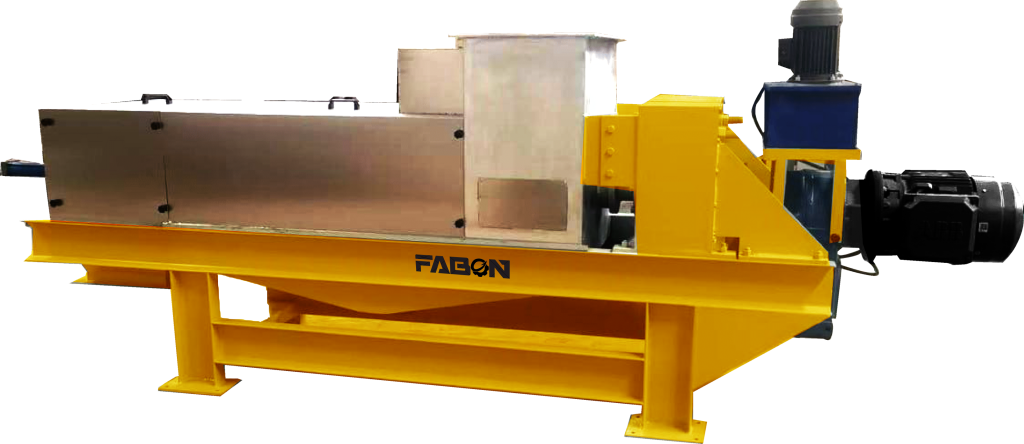
Napier Grass Dewatering Machine by Fabon Engineering, Nashik, along with specs, benefits, and considerations.
What is it
- A machine from Fabon Engineering to reduce moisture in Napier grass (also called elephant grass / green fodder) before further processing like biogas, fodder, composting, pelletizing etc. (FABON)
- The idea is to mechanically squeeze/press moisture out, which saves energy/time vs drying everything thermally or sun‐drying. (FABON)

Key Features / Technical Specs
From Fabon’s product description, these are the rough capabilities:
Parameter
Spec / Range
Input material
Napier grass, other green fodder / green biomass (FABON)
Capacity
Customizable; common models are in the range of 1 to 5 tons/hour depending on model and required output. (FABON)
Power requirement
~10‑25 HP depending on model (FABON)
Moisture reduction
Can reduce moisture substantially; figures like reducing from ~80‑85% to ~50‑55% in single pass are indicated. (FABON)
Construction materials
Mild steel / stainless options; drive is via gearbox & rollers; there are adjustable pressure rollers and drainage for juice/water seen in specs. (FABON)
Output form
Dewatered biomass (semi dry), pressed form; the moisture removed material is output, and juice (moisture) drained off. (FABON)
Maintenance / Build
Designed for rugged agro-environment; includes safety features, easy access for maintenance, etc. (FABON)
Advantages
- Reduced Drying Time & Fuel / Energy Savings: Because a lot of moisture is removed mechanically, less drying required. (FABON)
- Better Storage & Handling: Lower moisture means less spoilage, easier transport, better storage of fodder/biomass. (FABON)
- Improved Efficiency downstream: If this material is to be pelletized, used in biogas plants, compost, etc., a lower moisture input helps in increasing yield, reducing energy costs, preventing problems. (FABON)
- Customisable: Fabon offers customization (capacity etc.), so you can get a machine suitable for scale. (FABON)
Considerations / Limitations
- Initial cost: The machine and its installation, motor, etc., will require capital investment; returns depend on how much biomass you process.
- Moisture floor: There is a limit to how dry you can get using mechanical dewatering alone. To get very low moisture (for example <20‑25%) may require drying or other steps.
- Power supply: Needs reliable power (electric motor, typically 3‐phase) unless you get a version with different drive (Fabon mentions custom / off-grid options in some cases). (FABON)
- Handling & feeding: Fresh Napier grass is fibrous, bulky; feeding, cleaning, cutting/shredding may be necessary before dewatering, to avoid blockages, ensure uniform pressure.
- Maintenance: Rollers, bearings, etc., will need upkeep; juice/water drainage systems may corrode if materials are not chosen well or not cleaned regularly.
Use Case Scenarios
- Biogas plants using Napier grass as feedstock: improves gas yield if moisture is lower and more consistent.
- Farmers / co‑operatives preparing fodder / silage: dewatering improves preservation and reduces rot.
- Biomass pelletization plants that need a pre‑drying / pre‑compression stage.
- Composting / organic fertilizer units where high moisture slows composting or causes leachate issues.

About us
Welcome to FABON GROUP Redefining Excellence in Biomass And Agricultural Solutions.
Important Links
Get In Touch
Address:
Sr. No. 153, Ambad-Gavalana Road, Behind D Mart, NH03, Pathardi, Nashik, Maharashtra – 422010, India
Contacts
Have Any Questions?
+91-9370999191 +919930909020