

Is Biomass Energy Renewable and Environmentally Friendly?
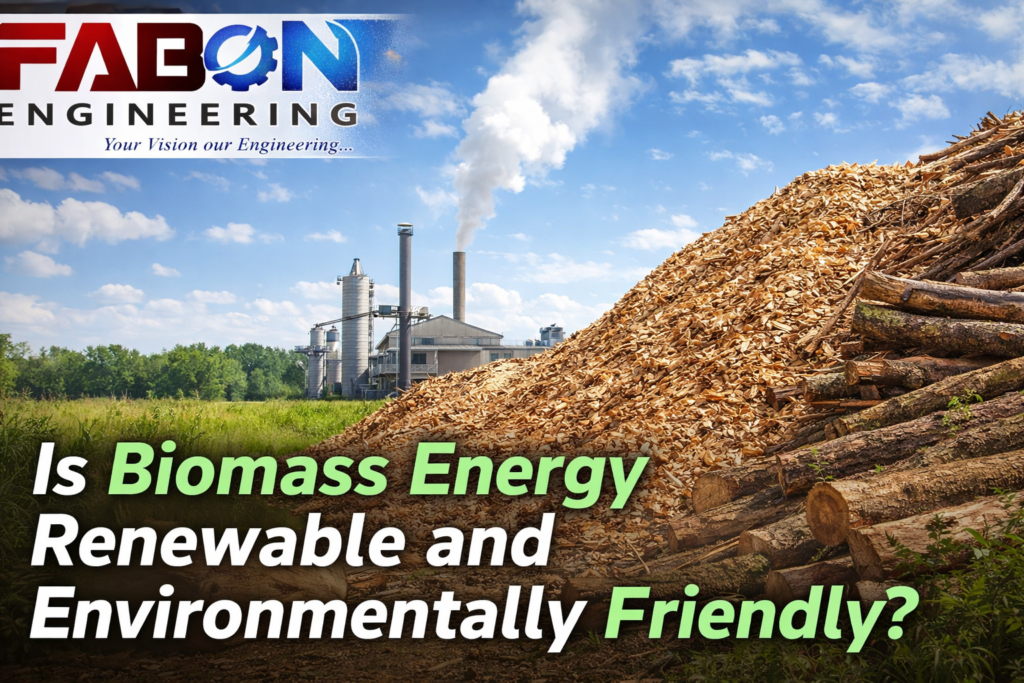
A Complete Guide to Sustainable Bioenergy for Modern Industries
Introduction
As the world faces increasing concerns about climate change, fossil fuel depletion, and environmental pollution, the search for sustainable and renewable energy sources has become more urgent than ever. Industries, governments, and energy experts are exploring alternative fuels that can reduce carbon emissions while maintaining reliable energy supply.
One of the most promising renewable energy sources being discussed today is biomass energy. Biomass energy is derived from organic materials such as agricultural residues, wood waste, and plant-based resources. These materials are converted into fuel forms such as biomass pellets, briquettes, biofuels, and biogas, which can be used for heating, electricity generation, and industrial processes.
However, a common question arises:
Is biomass energy truly renewable and environmentally friendly?
While biomass energy offers many advantages, there are also debates regarding sustainability, carbon emissions, and environmental impact. Understanding these aspects is essential for industries and policymakers who are considering biomass as an alternative to fossil fuels.
This article provides a comprehensive analysis of biomass energy, including:
- What biomass energy is
- Whether biomass is renewable
- Environmental benefits of biomass
- Environmental concerns associated with biomass
- Comparison with fossil fuels
- Industrial applications
- The future of biomass energy
By the end of this article, readers will gain a clear understanding of whether biomass energy can truly be considered a sustainable and environmentally responsible energy solution.
What Is Biomass Energy?
Biomass energy refers to energy produced from organic biological materials, primarily derived from plants and agricultural waste.
The term “biomass” includes materials such as:
- Agricultural residues
- Wood and forestry waste
- Animal manure
- Food processing waste
- Energy crops
- Organic municipal waste
These materials contain stored chemical energy that plants capture from the sun through the process of photosynthesis. When biomass is burned or converted into fuel, this stored energy is released in the form of heat or electricity.
Biomass energy has been used by humans for thousands of years. Early civilizations relied on wood and plant materials for cooking and heating. Today, modern biomass technologies allow these resources to be converted into highly efficient fuels such as:
- Biomass pellets
- Biomass briquettes
- Bioethanol
- Biodiesel
- Biogas
These fuels are now widely used in industries, power plants, and heating systems.
Why Biomass Energy Is Considered Renewable
One of the primary reasons biomass energy is classified as renewable is that its raw materials can be regenerated naturally within a relatively short time period.
Unlike fossil fuels, which take millions of years to form, biomass resources are continuously produced through:
- Agriculture
- Forestry
- Natural plant growth
For example:
- Crop residues are produced every harvest season.
- Trees can be replanted and regrown.
- Agricultural waste is generated every year.
As long as these resources are managed responsibly, biomass fuel supplies can be continuously replenished.
This ability to regenerate makes biomass fundamentally different from fossil fuels.
Biomass Energy and the Carbon Cycle
Another reason biomass energy is considered environmentally friendly is its relationship with the natural carbon cycle.
Plants absorb carbon dioxide from the atmosphere during photosynthesis as they grow. When biomass fuel is burned, this carbon dioxide is released back into the atmosphere.
However, new plants grown to replace the harvested biomass absorb carbon dioxide again, creating a closed carbon cycle.
This process is often described as carbon-neutral energy production.
In contrast, fossil fuels release carbon that has been stored underground for millions of years. This adds additional carbon dioxide to the atmosphere and contributes to global warming.
Biomass energy therefore has the potential to significantly reduce greenhouse gas emissions compared to fossil fuels.
Types of Biomass Energy
Biomass energy can be categorized into several different forms depending on the raw material and conversion method.
Solid Biomass Fuels
Solid biomass fuels are the most commonly used biomass energy sources.
Examples include:
- Wood logs
- Wood chips
- Biomass pellets
- Biomass briquettes
These fuels are widely used in:
- Industrial boilers
- Heating systems
- Power generation plants
Biomass pellets are particularly popular because they have:
- High energy density
- Low moisture content
- Consistent fuel quality
Liquid Biofuels
Liquid biofuels are produced from crops such as corn, sugarcane, and vegetable oils.
Examples include:
- Bioethanol
- Biodiesel
These fuels are primarily used in the transportation sector as alternatives to gasoline and diesel.
Biogas
Biogas is produced through the anaerobic digestion of organic materials such as animal manure, food waste, and sewage.
The resulting gas mixture contains methane and carbon dioxide and can be used for:
- Electricity generation
- Cooking fuel
- Industrial heating
Environmental Benefits of Biomass Energy
Biomass energy offers several environmental advantages compared to fossil fuels.
Reduction in Greenhouse Gas Emissions
One of the most significant benefits of biomass energy is the reduction of greenhouse gas emissions.
Because biomass is part of the natural carbon cycle, it produces significantly lower net carbon emissions compared to fossil fuels.
This helps mitigate climate change.
Utilization of Agricultural Waste
In many agricultural regions, crop residues are often burned in fields after harvest.
This practice contributes to severe air pollution.
Biomass energy provides a productive solution by converting agricultural waste into valuable fuel.
This reduces:
- Open-field burning
- Air pollution
- Waste disposal problems
Reduced Dependence on Fossil Fuels
Many countries rely heavily on imported fossil fuels such as oil and natural gas.
Biomass energy can be produced locally from agricultural and forestry residues.
This improves energy security and reduces reliance on imports.
Support for Rural Economies
Biomass energy production creates economic opportunities in rural areas.
Farmers can sell agricultural residues for biomass fuel production, creating additional income streams.
Biomass pellet plants and processing facilities also create local employment opportunities.
Environmental Concerns About Biomass Energy
Despite its benefits, biomass energy also raises some environmental concerns.
Understanding these concerns is essential to ensure sustainable biomass development.
Deforestation Risks
If biomass energy production relies heavily on wood harvesting without proper forest management, it could lead to deforestation.
However, responsible biomass systems rely primarily on:
- Agricultural residues
- Forestry waste
- Energy crops grown sustainably
Air Pollution
Burning biomass can produce pollutants such as:
- Particulate matter
- Nitrogen oxides
- Carbon monoxide
However, modern biomass combustion technologies significantly reduce these emissions through advanced combustion control and emission filtering systems.
Land Use Competition
Some critics argue that energy crops used for biofuel production could compete with food production.
However, many biomass systems rely on waste materials rather than dedicated energy crops.
Biomass Energy vs Fossil Fuels
A comparison between biomass energy and fossil fuels highlights the environmental advantages of biomass.
| Factor | Biomass Energy | Fossil Fuels |
|---|---|---|
| Resource Type | Renewable | Non-renewable |
| Carbon Emissions | Low / carbon neutral | High |
| Resource Availability | Continuous | Finite |
| Environmental Impact | Lower | Higher |
| Energy Security | Local production | Import dependent |
This comparison demonstrates why biomass energy is gaining global attention as a sustainable energy source.
Industrial Applications of Biomass Energy
Biomass energy is widely used in many industries.
Common applications include:
- Industrial boilers
- Thermal power plants
- Cement industries
- Food processing plants
- Textile industries
- Chemical manufacturing
Many industries use biomass pellets and briquettes to replace fossil fuels such as:
- Coal
- Diesel
- Furnace oil
- LPG
Biomass Pellets in Industrial Heating
Biomass pellets are one of the most efficient forms of biomass fuel.
Their advantages include:
- High calorific value
- Uniform size and shape
- Easy storage and transport
- Efficient combustion
Industries increasingly adopt pellet burners and biomass boilers to reduce fuel costs and carbon emissions.
Government Policies Supporting Biomass Energy
Many governments worldwide are promoting biomass energy through policies and incentives.
These initiatives aim to:
- Reduce greenhouse gas emissions
- Promote renewable energy
- Manage agricultural waste
- Improve rural economies
In several countries, thermal power plants are now required to use biomass pellets along with coal to reduce pollution.
The Future of Biomass Energy
The global transition toward renewable energy is accelerating.
Biomass energy is expected to play a significant role in this transition.
Future developments include:
- Advanced biomass conversion technologies
- Improved pellet production methods
- Increased industrial adoption
- Integration with other renewable energy systems
As technology improves, biomass energy will become even more efficient and environmentally friendly.
Conclusion
Biomass energy represents one of the most promising renewable energy solutions available today. Derived from organic materials such as agricultural residues, forestry waste, and plant-based resources, biomass energy offers a sustainable way to generate heat, electricity, and industrial energy.
Because biomass resources can be replenished through agriculture and forestry, biomass energy is widely considered a renewable energy source. When managed responsibly, biomass production can support a closed carbon cycle that reduces net greenhouse gas emissions compared to fossil fuels.
Biomass energy also offers several environmental benefits, including the utilization of agricultural waste, reduction in open-field burning, decreased dependence on fossil fuels, and support for rural economies.
However, sustainability remains a key factor. Responsible biomass management, efficient combustion technologies, and careful resource planning are necessary to ensure that biomass energy remains environmentally friendly.
As the world moves toward cleaner and more sustainable energy systems, biomass energy is likely to become an increasingly important component of the global energy mix.
Industries seeking to reduce their environmental footprint while maintaining reliable energy supply are increasingly turning to biomass fuels such as biomass pellets and briquettes.
With continued innovation and responsible resource management, biomass energy has the potential to play a vital role in building a more sustainable energy future.