

“HOW FABON BIOMASS PELLETS MACHINES SUPPORT GREEN ENERGY INITIATIVES”
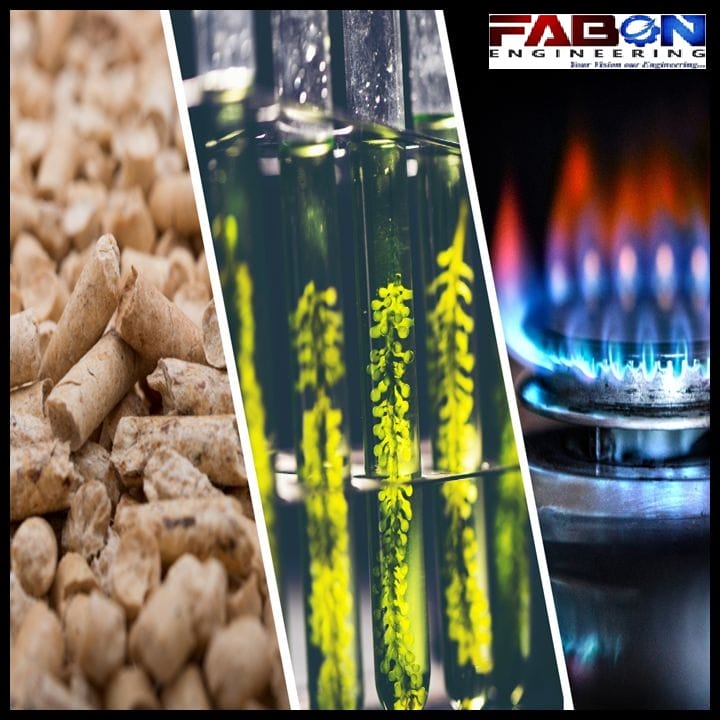
1. Introduction: The Urgent Need for Green Energy
The 21st century faces twin crises — climate change and dwindling fossil fuel reserves. Rising global temperatures, worsening air quality, and increasingly frequent natural disasters highlight the urgent need for sustainable, renewable energy sources. Green energy is no longer a choice but a necessity for nations, industries, and communities.
- According to international climate bodies, limiting global warming to 1.5–2°C above pre‑industrial levels requires rapid reductions in greenhouse gas (GHG) emissions.
- Many countries have set renewable energy targets or net zero goals, pushing policies that encourage replacement of coal, oil, and gas with cleaner alternatives.
Biomass pellets have emerged as a promising pathway to address fossil fuel dependence, waste management issues, rural livelihoods, and carbon emissions. In this respect, manufacturing high-quality biomass pellet machines is central to enabling this transformation. Fabon Engineering is working at this critical intersection of technology, sustainability, and local economic development.
2. What Is Biomass Pellets Technology?
To understand how Fabon supports green energy, one must first understand what biomass pellets are and how they fit into the renewable energy landscape.
What are Biomass Pellets?
- Biomass pellets are compacted forms of organic waste: sawdust, rice husk, bagasse, shell waste, agricultural residues, forestry residues, etc.
- By compressing these materials, pellets have a higher energy density, lower moisture, and uniform shape, making them easier to handle, store, transport, and burn efficiently.
How Are They Made?
The process broadly includes:
- Raw material collection & preparation: Gathering agro‑waste or forestry residues, chiselling or shredding to size.
- Drying: Reducing moisture content to an optimal level (often <15%) to improve combustion efficiency.
- Grinding or Milling: To get consistent particle size.
- Pelletizing / Compression: Using pellet machines (flat‑die or ring‑die) to form pellets.
- Cooling & Packaging: Ensuring pellets are stable, stored safely, and ready for transport or use.
Types of Pellet Plants / Machinery
- Flat‑die pellet plants: Simpler, more suitable for smaller scale or entry‑level operations.
- Ring‑die pellet machines/plants: Higher capacity, industrial scale, more continuous, suitable for export or large fuel supply.
- Torrefied pellet plants: Advanced plants that use thermal treatment (200‑300°C) to improve pellet properties — higher calorific value, hydrophobic, more stable, lower ash content.
Comparison with Fossil Fuels & Other Renewables
- Biomass pellets emit carbon dioxide when burned, but since the raw material is renewable and biomass grows back, net carbon emissions are much lower compared to coal or oil (if managed well).
- Unlike solar or wind, pellet‑based energy can provide base load or bit more predictable thermal energy (for boilers, industrial heat, etc.).
3. Fabon Engineering: Who We Are
Fabon Engineering Pvt. Ltd. is a Maharasthra‑based company (Nashik area), known for designing, manufacturing, and exporting biomass conversion machinery, among other agricultural & renewable energy systems. fabon.in+2fabon.in+2
Some quick facts:
- Founded in 2006, moved to Nashik, strong commitment to “Make in India.” fabon.in+1
- ISO 9001:2015 certified. fabon.in+1
- Product range includes biomass pellet machines (flat‑die, ring‑die, torrefied), burners, dryers, shredders, hammer mills, feed pellet machines. fabon.in+2fabon.in+2
- Provides turnkey solutions + training + after‑sales service. fabon.in+2fabon.in+2
This profile positions Fabon as more than just a machinery vendor: a partner in sustainable energy transition.
4. How Fabon’s Biomass Pellet Machines Work
Let’s dig deeper into how specifically Fabon’s technology supports green energy goals.
Product Types & Technical Features
Flat‑die Biomass Pellet Plant
- Capacities: ~100 kg/hr up to ~800 kg/hr. fabon.in
- Pellet sizes (dies) customizable (4 mm‑10 mm etc.). fabon.in
- Low power and compact design suited to small and medium operations. fabon.in
Torrefied Pellet Plant
- Torrefaction technology (heating at 200‑300°C in low oxygen) to produce “bio‑coal” pellets. Improves energy density, hydrophobicity, storage stability. fabon.in+1
- Useful for co‑firing in boilers, cement kilns, industrial heating. fabon.in+1
Biomass Burner & Dryers
- Pellet burners: these enable customers to combust pellets instead of fossil fuels, generating heat. These are part of Fabon’s product line. fabon.in+2Fabon Engineering Pvt. Ltd.+2
- Dryers (flash dryers, rotary dryers) to reduce moisture; critical for pellet quality and combustion efficiency. TradeWheel+1
Operational Aspects
- Automation features: PLC/HMI control, real‑time monitoring, smart dashboards. These reduce wastage, improve consistency. fabon.in+1
- Raw material flexibility: Fabon’s machines are engineered to handle Indian agro‑residues (rice husk, sugarcane bagasse, wood chips, groundnut shells). Important because feedstock availability varies. fabon.in+2fabon.in+2
5. Environmental Benefits of Biomass Pellets
Using biomass pellet machines (such as those by Fabon) delivers multiple environmental positives.
Carbon Emissions Reduction
- Biomass pellets are considered carbon‑neutral in many frameworks: the CO₂ released during burning is roughly offset by the CO₂ captured during plant growth (if sustainably managed).
- Switching from coal, oil, LPG or diesel to biomass pellets can significantly reduce CO₂, sulfur, and particulate emissions.
Waste Valorization & Circular Economy
- Many agro‑industrial and forestry by‑products are waste, or even pollutant (open burning, decomposition). Converting such residues into pellets diverts them from waste streams, reducing pollution.
- This forms a circular economy: waste as resource.
Reduced Air Pollution
- Biomass pellets burn more cleanly (if moisture, ash are controlled) than many raw biomass or fossil fuels.
- Proper burners and emission controls mean lower particulates, sulfur, NOx etc.
Land & Resource Management
- Encourages sustainable harvesting and use of agricultural residues.
- Reduces dependence on non‑renewable, imported fuels.
6. Economic & Social Benefits
Beyond environment, biomass pellet solutions have strong economic and social impacts. Fabon’s machines help unlock these.
Rural Livelihood & Employment
- Collection, transport, preprocessing of agro‑waste creates jobs in rural areas.
- Local pellet plants bring value‑addition locally rather than raw material being shipped out or burned.
Lower Energy Costs
- Biomass pellets, being produced locally from waste, can be cheaper than fossil fuels (after payback).
- Cost savings in industrial heating, boilers, dryers, etc.
Energy Security & Decentralization
- Local pellet plants reduce dependence on grid or long supply chains.
- Especially useful in off‑grid or rural areas.
Revenue Streams & New Business Models
- Selling pellets, burners, offering services (drying, pelletizing) become income sources.
- Export potential (for torrefied pellets, fuel grade pellets) for countries like India.
Alignment with ESG & Carbon Credits
- Businesses using biomass pellet technologies can gain carbon credits, improve ESG scores, satisfy regulatory or voluntary sustainability standards.
- Opportunity in regulatory frameworks and incentives.
7. Fabon’s Key Technologies & Product Range
Here we showcase what Fabon offers and how each product contributes to green energy:
| Product / System | Function | Contribution to Green Energy & Sustainability |
|---|---|---|
| Flat‑Die Biomass Pellet Plant (100‑800 kg/hr) | For small to medium output, handling local biomass | Enables local, affordable pellet fuel; lower capital, quicker ROI; rural impact. fabon.in |
| Ring‑Die / Industrial Pellet Plants | For larger scale fuel or export production | Supports larger clean fuel replacement; economies of scale. fabon.in |
| Torrefied Pellet Plants | Upgrading pellets by thermal treatment to improve quality | Better combustion, higher energy density, better transport and storage; more markets. fabon.in |
| Biomass Burners | Provide heat using pellets, replacing fossil fuel burners | Direct emissions reduction; fuel cost savings; allows use of biomass in many industry sectors. fabon.in+2TradeWheel+2 |
| Dryers (Flash / Rotary) | To dry raw material, reduce moisture content before pelletizing | Crucial for energy efficiency; improves pellet quality; less wastage and emissions. TradeWheel |
| Auxiliary Equipment (Hammer Mills, Wood Shredders, Conveyors, Coolers) | Preprocessing and handling biomass waste | Improve throughput, reduce manual labour, reduce losses; make whole supply chain efficient. fabon.in+1 |
8. Case Studies & Success Stories
Using real or hypothetical examples can help show concrete impact. Fabon has several references; here are illustrative cases or possible use scenarios:
- A small farm or cluster uses a Flat‑Die Pellet Plant to convert rice husk or corn stalks into fuel pellets for a local brick kiln, saving on LPG/diesel costs and reducing open burning of residues.
- An industrial boiler in a textile or food processing facility replaces diesel burner with a Fabon Pellet Burner, resulting in 40‑60% fuel cost savings. (Comparable to stated claims in their product materials.) craigslist+1
- Export of biomass pellets / torrefied pellets to overseas markets, earning higher prices due to higher fuel quality.
- Use by rural cooperatives / farmer producer organizations (FPOs) in setting up small pelletizing units, thus generating rural employment and managing waste locally.
If actual project data are available (tonnes of pellet produced, CO₂ emissions reduced, cost saved), those make strong additions.
9. Challenges & How Fabon Helps Overcome Them
Implementing biomass pellet plants is not without challenges. However, Fabon provides solutions to many of them.
| Challenge | Impacts | Fabon’s Solution / Support |
|---|---|---|
| Raw Material Supply & Consistency | Varying moisture, stacking, transportation costs | Fabon’s machines are feedstock‑flexible; supply chain advisories; dryers to reduce moisture; shredders to standardize particle size. fabon.in+1 |
| High Initial Capital Cost | May deter small entrepreneurs | Smaller capacity machines (flat die); financing/subsidy guidance; lower maintenance designs. |
| Technical Expertise | Operating, maintaining, optimizing performance | Fabon offers training, commissioning, after‑sales service. fabon.in+1 |
| Moisture & Quality Control | Poor quality pellets, low calorific value, high ash | Use of dryers; good pelletizing machine design; quality control during pelletizing. |
| Market Access & Regulatory Standards | Need for certifications; finding buyers; dealing with standards (e.g. ENplus etc.) | Fabon supports export grade fuel; can produce according to international standards; assist with documentation and guidance. |
| Emissions / Compliance | Regulation on air pollutants; community resistance | Use of clean burning burners; emissions control; smoke collectors; design for optimum combustion. Fabon’s pellet burners include options for smoke collection. craigslist+1 |
10. Policy Ecosystem & Incentives in India & Globally
Green energy is not just driven by technology, but by governance, policy, incentives. Fabon’s machines align well with many of them.
- The National Bioenergy Programme by MNRE: supports biomass pellets, biomass gasifiers, biomass boilers etc. fabon.in
- Biofuel Policy amendments: second generation biofuels (using agricultural residues) are gaining policy support. fabon.in
- Subsidies, soft loans, viability gap funding in certain states / central schemes: Fabon customers can benefit.
- Carbon credits / ESG compliance / renewable energy certificates: biomass pellet usage helps companies meet ESG and regulatory disclosure commitments.
- Export opportunities: International demand for clean biofuels (pellets, torrefied pellets) increases with stricter greenhouse gas emission regulations.
11. Future Trends in Biomass Pellet Technology
What’s ahead, and how is Fabon positioned to stay ahead of curve?
- Torrefaction & advanced pellet treatments: making pellets more coal‑like, better suited for higher temperature, industrial uses.
- Automation & digital monitoring: sensors, IoT, predictive maintenance to increase uptime and efficiency.
- Better fuel quality / standardization: meeting international certifications, ensuring low ash, uniform calorific value, lower moisture.
- Integration with other renewables: hybrid systems (biomass + solar/biogas) for more resilient energy supply.
- Waste‑to‑energy linkages: municipal solid waste, agro‑industrial waste can feed into pellet plants.
- Circular economy models and community‑based bioenergy: FPOs, cooperatives setting up pellet plants, local supply chains.
Fabon’s R&D and modular product design allow them to adapt to these trends. For instance, their torrefied pellet plants reflect forward‑looking demand. fabon.in+1
12. Why Choose Fabon: Our Unique Value Proposition
To help decision‑makers, here are key differentiators that make Fabon a strong partner in green energy.
- Full spectrum of product offerings: From small flat‑die plants to industrial torrefied pellet plants; auxiliary equipment; burners; dryers etc. Fabon is a one‑stop shop. fabon.in+1
- Customization & Feedstock Flexibility: Ability to design for local agro‑waste types, moisture levels, pellet sizes.
- Local manufacturing & Make in India roots: Lower costs, faster support, spares availability. fabon.in+1
- Strong after‑sales, training & support: Commissioning, maintenance, operator training.
- Quality & Certifications: ISO certification; adherence to standards; capability for export grade fuel.
- Environmental & Economic ROI: Emphasis not only on machine specs, but energy savings, emissions reductions, cost savings, and helping customers monetize waste.
13. Conclusion & Call to Action
Green energy is no longer experimental — it’s essential. Biomass pellet technology is one of the most viable ways to convert agricultural and forestry waste into clean, reliable energy. Companies, governments, and communities that embrace pelletization get environmental benefits, economic returns, and resilient energy systems.
Fabon Engineering is ready to help you make this transition — whether you want a small flat‑die plant for your farm cluster, an industrial ring‑die plant for large scale fuel production, torrefied pellets for export, or a burner/dryer combo to reduce your fossil fuel dependence.
Call to Action
- Explore Fabon’s product catalog: flat‑die, ring‑die, torrefied pellet plants, burners.
- Get a free consultation: raw material evaluation, plant sizing, cost‑benefit & payback analysis.
- Reach out for a quote or site visit to see how much emissions and fuel cost you can save.
- Join Fabon’s green energy movement: partner with us for training, policy support, and turning waste into value.
Suggested SEO Keywords & Phrases
Here are some keywords/phrases you might want to ensure are included throughout (for SEO):
- Biomass pellet machine / biomass pellet plant
- Green energy India / renewable energy solutions
- Torrefied pellets / torrefied biomass
- Agro‑waste to energy / biomass waste utilization
- Emissions reduction / carbon neutral fuel
- Make in India biomass machinery
- Industrial pellet burner / pellet dryer / pelletizing machinery