
Cattle feed Machinery and Plant by Fabon Engineering Nashik
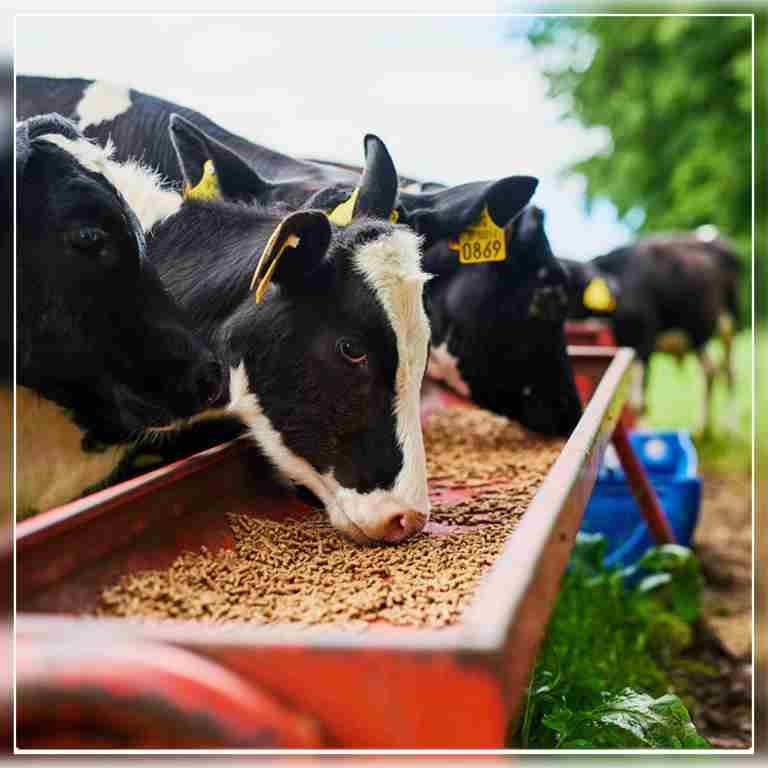
Cattle Feed Plant and Machinery Manufacturing
Overview of Fabon Engineering
- Founded in 2006, located at Sr. No. 153, Ambad‑Gavalana Road, Pathardi, Nashik, Maharashtra.
- They are ISO 9001:2015 certified. (fabon.in)
- They manufacture, supply, and export various feed & biomass‑related machinery:
- Cattle feed pellet machines & plants.
- Feed grinders, mixers, mash/plants, poultry feed crumble machines
- Biomass pellet plants, wood shredders, sawdust making machines & dryers, residue‑processing machines etc. (fabon.in)
- Cattle feed pellet machines & plants.
Specific Products & Capacities
Here are some useful product models from Fabon with capacities & price info (where available):
| Product | Capacity / Throughput | Approx Price / Details | Notes |
| Automatic Cattle Feed Pellet Plant, 250 kg/hr | 250 kg/hour | ~ ₹6,11,200 INR per plant/unit | Electric drive, automatic, likely includes pellet mill + basic downstream components. |
| Cattle Feed Pellet Machine, 75‑100 kg/hr | 75‑100 kg/hr | ~ ₹85,120 INR | Smaller scale machine; simpler, less expensive. |
| Cattle Feed Pellet Machine, 375‑450 kg/hr | 375‑450 kg/hr | ~ ₹95,000 INR | Mid‑capacity; possibly semi automatic. |
| Automatic Cattle Feed Pellet Plant, 2000 kg/hr (2 TPH) | 2000 kg/hour | ~ ₹22,40,000 INR (≈ ₹22.4 lakhs) | For larger operations; higher investment; larger space, power etc. |
What You Get / Key Features
- The machines/plants are available in automatic or semi‑automatic grades, with different levels of automation (mixing, grinding, pelletising, etc.).
- Power options are electric in most standard units; likely three‑phase for higher capacities.
- Material of construction typically mild steel; with options/parts for wear (dies, rollers) etc. (fabon.in)
- After‑sales & support: installation, commissioning & sometimes operator training provided. (fabon.in)
What to Ask / Decide Before Buying
When selecting a plant or machine from Fabon (or any similar manufacturer), you should clarify:
- Required capacity (kg/hr or ton/day) — how much feed you need daily/weekly.
- Type of feed — what feed inputs (bran, grains, oil cakes, biomass, etc.), particle size, moisture content. This determines the size & type of grinder, drying needed, etc.
- Pellet size required. For cattle, usually larger (say 6–10 mm) but depends.
- Power source available — whether grid electricity, generator, or possibly biomass burner‑based systems.
- Automation — whether you want a full line (grind → mix → pelletise → cool → pack) or just a pellet mill.
- Maintenance & spare part availability, die life etc.
- Budget and financial support (subsidies, loans etc.).
Here’s a comprehensive FAQ for cattle feed machinery and plants, especially useful if you’re planning to set up a new unit or upgrade an existing one.
🐄 Cattle Feed Machinery and Plant – FAQ
1. What is a cattle feed plant?
A cattle feed plant is a facility where raw ingredients like maize, bran, oil cakes, and other nutritional materials are processed, mixed, and converted into animal feed in the form of mash or pellets.
2. What machinery is typically included in a cattle feed plant?
Basic Components:
- Hammer Mill / Grinder – crushes raw materials to required size
- Mixer / Ribbon Blender – blends different ingredients uniformly
- Pellet Mill / Pelletizer – compresses feed into pellets
- Cooler – cools the hot pellets post-pelletization
- Sieve / Vibratory Screener – removes fines and dust
- Packing Machine – packs final feed in bags
Optional Add-ons:
- Molasses mixer, elevators, conveyors, automatic batching, control panel, etc.
3. What are the typical capacities available?
| Capacity | Suitable For |
| 100–300 kg/hr | Small farmers / startups |
| 500–1000 kg/hr | Medium-scale commercial |
| 1–5 TPH (tons/hour) | Large-scale commercial feed producers |
4. What type of feed can be made?
- Cattle feed (cow/buffalo)
- Poultry feed (chicken/broiler/layer)
- Sheep & goat feed
- Fish feed (in special plants with extrusion)
5. What raw materials are used in cattle feed?
- Maize / corn
- Wheat bran / rice bran
- Groundnut cake
- Soybean meal
- Cottonseed cake
- Minerals, vitamins, salt
- Molasses (optional)
- Additives & binders
6. How are pellets better than mash feed?
✅ Easier to handle & store
✅ Less feed wastage
✅ Improves digestibility
✅ Reduces selective feeding
✅ Better animal performance (milk yield, health, etc.)
7. What is the cost of setting up a cattle feed plant?
| Capacity | Approx. Cost (INR) |
| 100–200 kg/hr | ₹80,000 – ₹3 lakh |
| 500–1000 kg/hr | ₹5 – ₹12 lakh |
| 2–5 TPH | ₹20 lakh – ₹1.5 crore+ |
👉 Costs vary depending on automation level, brand (e.g. Fabon, Namdhari, etc.), and location.
8. Is any government subsidy available?
Yes, under schemes like:
- National Livestock Mission (NLM) – up to 50% subsidy on capital cost
- AHIDF (Animal Husbandry Infra Development Fund) – low-interest loans & interest subvention
- Some state schemes also offer support (e.g. Maharashtra, J&K)
➡️ You’ll usually need a project report, quotation from the supplier, and a loan proposal.
9. How much land and electricity is needed?
| Capacity | Land Required | Electricity |
| 200 kg/hr | 500–800 sq.ft. | 5–7 HP |
| 1 TPH | 2000–3000 sq.ft. | 40–50 HP |
| 5 TPH | 5000+ sq.ft. | 100–150 HP |
10. Can I use the plant for both cattle and poultry feed?
✅ Yes, with small adjustments in mixer time, pellet size, and formulations.
❌ However, extrusion-based feed for fish/shrimp requires different machines.
11. Do I need skilled labor?
🔧 Basic operations can be handled by trained operators
📊 For automated plants, electrical and mechanical knowledge is helpful
📋 One person should manage feed formulations and quality control
12. How do I calculate profitability?
Break-even depends on:
- Raw material cost (major expense ~60–70%)
- Electricity & labor
- Output sale price (per kg of feed)
- Capacity utilization (how many hours/day you run)
- Subsidies or financing used
➡️ Typically, margin is ₹1.5–4/kg depending on scale & efficiency.
13. What maintenance is required?
- Daily: Clean dies, check belts, remove residue
- Weekly: Lubricate bearings, inspect screens
- Monthly: Calibrate mixers, inspect wear & tear
- Annually: Overhaul pellet mill, replace die/rollers as needed
14. Do I need a license to run a cattle feed plant?
✅ Yes, typically you need:
- FSSAI license
- Factory registration
- Pollution NOC (if large scale)
- GST registration
Local laws may vary — check with your state animal husbandry department or DIC office.
15. Can I get a project report for applying for a subsidy/loan?
Yes, and you’ll need:
- Estimated machinery cost
- Plant layout & flow diagram
- Raw material requirement
- Projected profitability
- Repayment plan (if taking a loan)
About us
Welcome to FABON GROUP Redefining Excellence in Biomass And Agricultural Solutions.
Important Links
Get In Touch
Address:
Sr. No. 153, Ambad-Gavalana Road, Behind D Mart, NH03, Pathardi, Nashik, Maharashtra – 422010, India
Contacts
Have Any Questions?
+91-9370999191 +919930909020
We need to establish new plant
Kindly Contact +91 9226339191 / 9370999191 / 9226719191/ 9545359191…..Also Contact on : [email protected]