

Best Raw Materials for Biomass Pellet Production

Best Raw Materials for Biomass Pellet Production – Complete Technical Guide for Industrial Pellet Manufacturing
Introduction: Why Raw Material Selection is the Most Critical Factor in Pellet Production
Biomass pellets have become one of the fastest-growing renewable fuels in India and worldwide due to rising coal prices, environmental regulations, and increasing demand from industries such as thermal power plants, boilers, and furnaces.
However, the success of any biomass pellet plant does not depend only on machinery. The most important factor is raw material selection. The quality, availability, calorific value, moisture content, and ash characteristics of the raw material directly affect:
- Pellet quality
- Production cost
- Machine performance
- Energy output
- Profitability
Choosing the right raw material can increase profit by 30–50%, while poor raw material selection can cause machine failure, low production, and financial loss.
This guide explains in detail the best raw materials for biomass pellet production, their properties, advantages, disadvantages, and industrial suitability.
Chapter 1: What Makes a Good Biomass Pellet Raw Material?
Before selecting any material, it is important to understand the key technical parameters.
1. Calorific Value (GCV)
This is the heat energy produced when fuel burns.
Higher calorific value means:
- Higher fuel efficiency
- Lower fuel consumption
- Higher market price
Ideal GCV range:
3500 kcal/kg to 4500 kcal/kg
2. Moisture Content
Moisture is one of the most critical factors.
Ideal moisture:
10% to 15%
Too high moisture causes:
- Low pellet strength
- Machine blockage
- Low calorific value
Too low moisture causes:
- Poor binding
- Powder formation
3. Ash Content
Ash is non-burning material.
Low ash is always preferred.
Ideal ash:
Below 10%
High ash causes:
- Clinker formation
- Boiler damage
- Customer rejection
4. Availability and Cost
Even if material is technically good, it must be:
- Easily available
- Low cost
- Available year-round
Chapter 2: Top 15 Best Raw Materials for Biomass Pellet Production
1. Sawdust – Best Raw Material Overall

Overview
Sawdust is the most widely used biomass pellet raw material worldwide.
It comes from:
- Furniture factories
- Sawmills
- Wood industries
Technical Specifications
Calorific value: 4000–4500 kcal/kg
Ash content: 1–3%
Moisture: 8–15%
Advantages
Best pellet quality
High calorific value
Low ash
High demand
Disadvantages
Limited availability in some areas
Higher cost compared to agri waste
Profitability Rating: ⭐⭐⭐⭐⭐
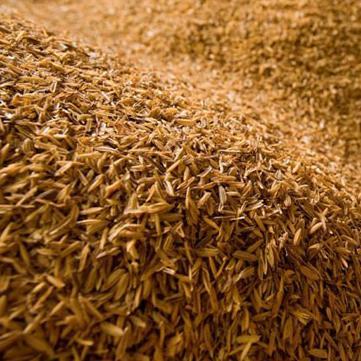
2. Rice Husk – Most Popular in India

Overview
Rice husk is one of the most abundant agricultural waste materials in India.
Specifications
Calorific value: 3000–3400 kcal/kg
Ash content: 15–20%
Advantages
Very cheap
Easily available
Continuous supply
Disadvantages
High ash
Lower calorific value
Profit Rating: ⭐⭐⭐⭐
3. Napier Grass – Highest Profit Energy Crop


Overview
Napier grass is specially grown for biomass fuel.
Specifications
Calorific value: 3800–4200 kcal/kg
Ash content: 5–8%
Advantages
Fast growing
High production
High profit
Profit Rating: ⭐⭐⭐⭐⭐
4. Bagasse – Sugar Industry Waste


Calorific value: 3200–3800 kcal/kg
Advantages:
Cheap
Abundant
5. Groundnut Shell
Calorific value: 4000 kcal/kg
Very good material
6. Cotton Stalk
Calorific value: 3800 kcal/kg
7. Bamboo Waste
Calorific value: 4200 kcal/kg
Excellent material
8. Mustard Husk
Common in North India
9. Corn Cob
Calorific value: 4200 kcal/kg
High demand
10. Wood Chips
High quality pellets
11. Wheat Straw
Cheap and easily available
12. Sugarcane Trash
Very good material
13. Coffee Husk
Excellent in South India
14. Coconut Shell
High energy fuel
15. Palm Waste
High demand internationally
Chapter 3: Best Raw Material Comparison Table
| Material | GCV | Ash | Profit |
|---|---|---|---|
| Sawdust | High | Low | Very High |
| Napier Grass | High | Medium | Very High |
| Rice Husk | Medium | High | High |
| Bagasse | Medium | Medium | High |
Chapter 4: Best Raw Material for India
Top 5 Best:
1 Sawdust
2 Napier Grass
3 Rice Husk
4 Cotton Stalk
5 Bagasse
Chapter 5: Raw Material Preparation Process
Steps:
Collection
Drying
Grinding
Pelletizing
Chapter 6: Raw Material Moisture Control
Most important factor
Use Rotary Dryer
Chapter 7: Raw Material Storage
Store in dry place
Chapter 8: Profit Based Raw Material Selection
Best profit:
Napier Grass
Sawdust
Chapter 9: Export Quality Raw Materials
Best materials:
Wood sawdust
Bamboo
Chapter 10: Future of Biomass Raw Materials
Demand increasing rapidly
Thermal power plants shifting to biomass
Conclusion
Raw material selection determines success or failure of pellet plant.
Best overall material:
Sawdust
Best profit:
Napier Grass
Best cheap material:
Rice husk
For Biomass Pellet Plant
FABON Engineering Pvt Ltd
9370999191
9226719191
9226339191