

How to Start Biomass Pellet Plant – Step-by-Step Guide

How to Start Biomass Pellet Plant – Step-by-Step Guide (Complete Business Setup Guide 2026)

Introduction
The global energy sector is rapidly shifting toward renewable and eco-friendly fuels, and biomass pellets have emerged as one of the most promising alternatives to coal and fossil fuels. In India, biomass pellet manufacturing is not only a profitable industrial venture but also an environmentally responsible business that supports waste management, rural employment, and clean energy goals.
With government policies mandating biomass co-firing in thermal power plants and industries switching to cleaner fuels, the demand for biomass pellets is increasing every year. Entrepreneurs, farmers, and industrial investors are now showing strong interest in setting up biomass pellet plants across India.
This step-by-step guide explains everything you need to know about starting a biomass pellet plant, including planning, investment, machinery, licenses, process, profit, and operational strategy.
What Is a Biomass Pellet Plant?
A biomass pellet plant is an industrial facility that converts agricultural waste, wood waste, or biomass material into solid fuel pellets using specialized machines.
These pellets are used in:
- Thermal power plants
- Industrial boilers
- Textile industries
- Food processing industries
- Chemical industries
- Pharmaceutical industries
Biomass pellets are clean, efficient, and renewable fuel.
Why Start a Biomass Pellet Plant?
Starting a biomass pellet plant offers multiple benefits:
1. High Demand
India requires millions of tons of biomass pellets annually for power plants and industries.
2. High Profit Margin
Biomass pellet manufacturing provides excellent profit with low raw material cost.
3. Government Support
Government provides subsidy, policy support, and purchase agreements.
4. Export Opportunity
Pellets are exported to Europe, Korea, and Japan.
5. Environmental Benefits
Reduces pollution and agricultural waste burning.
Step 1: Market Research and Business Planning
Before starting a biomass pellet plant, market research is essential.
Key Points to Study
- Demand in your region
- Major pellet buyers
- Raw material availability
- Pellet selling price
- Competitors
Identify Potential Customers
Major pellet buyers include:
- Thermal power plants
- Textile industries
- Food industries
- Pharmaceutical industries
Understanding your market ensures business success.
Step 2: Select Plant Capacity
Plant capacity determines investment, profit, and machinery selection.
Common Plant Capacities
| Capacity | Suitable For |
|---|---|
| 500 kg/hr | Small business |
| 1 TPH | Medium business |
| 2 TPH | Commercial business |
| 5 TPH | Large industrial business |
For beginners, 1 TPH or 2 TPH is recommended.
Step 3: Select Location
Choosing the right location is very important.
Ideal Location Requirements
- Near raw material source
- Good road connectivity
- Industrial area
- Electricity availability
This reduces transportation cost.
Step 4: Arrange Raw Material
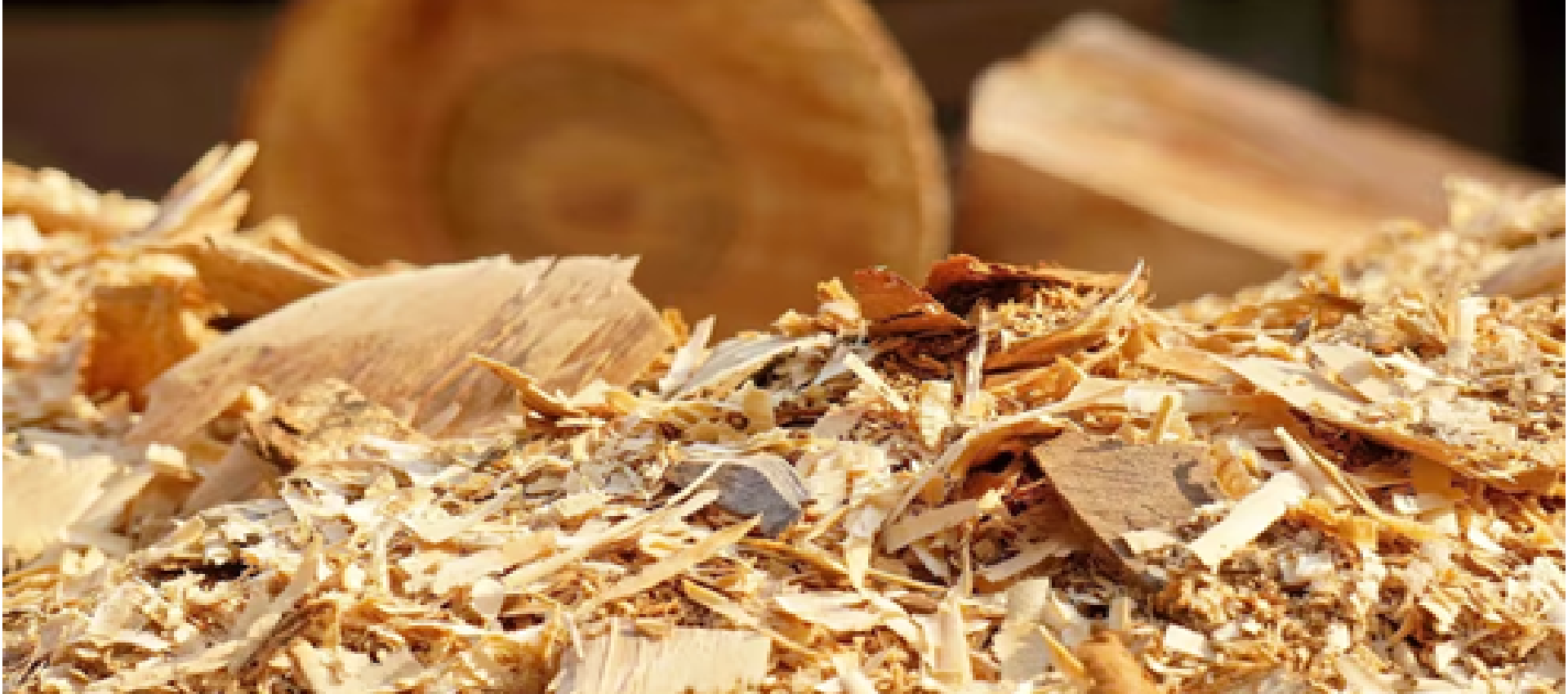


Raw material is the most important factor.
Major Raw Materials
- Rice husk
- Sawdust
- Bagasse
- Straw
- Bamboo
- Napier grass
Napier grass provides highest pellet quality.
Step 5: Land Requirement
Land requirement depends on plant capacity.
| Capacity | Land Required |
|---|---|
| 1 TPH | 5000 sq ft |
| 2 TPH | 10000 sq ft |
| 5 TPH | 20000 sq ft |
Land should include:
- Production area
- Raw material storage
- Finished goods storage
Step 6: Select Machinery
Major machinery required:
1. Hammer Mill
Used to crush raw material.
2. Rotary Dryer
Reduces moisture.
3. Pellet Machine
Main machine to produce pellets.
4. Pellet Cooler
Cools pellets.
5. Packing Machine
Packs pellets.
Step 7: Electricity Requirement
Power requirement depends on capacity.
| Capacity | Power |
|---|---|
| 1 TPH | 150 HP |
| 2 TPH | 300 HP |
| 5 TPH | 600 HP |
Step 8: Install Machinery
Machinery installation includes:
- Machine setup
- Electrical connection
- Trial run
Professional installation ensures smooth operation.
Step 9: Get Required Licenses
Legal licenses required:
- MSME Registration
- GST Registration
- Pollution Certificate
- Factory License
Step 10: Hire Workers
Worker requirement depends on plant size.
| Capacity | Workers |
|---|---|
| 1 TPH | 5 |
| 2 TPH | 8 |
| 5 TPH | 15 |
Workers required for:
- Machine operation
- Packing
- Maintenance
Step 11: Start Production
Production process includes:
Raw Material → Crushing → Drying → Pelletizing → Cooling → Packing
Step 12: Sell Your Pellets
Major selling options:
- Power plants
- Industrial buyers
- Export market
Investment Required
Investment Based on Capacity
| Capacity | Investment |
|---|---|
| 1 TPH | ₹50 lakh |
| 2 TPH | ₹1.2 crore |
| 5 TPH | ₹3 crore |
Profit Calculation
Example for 2 TPH Plant:
Production: 40 tons per day
Selling price: ₹9000 per ton
Daily Revenue: ₹3,60,000
Daily Profit: ₹1,00,000 approx
Monthly Profit: ₹25 lakh approx
ROI Period
Return on investment:
6 to 12 months
Government Subsidy
Government provides subsidy under:
- MNRE Scheme
- MSME Scheme
Subsidy up to 40%
Challenges in Biomass Pellet Business
Major challenges:
- Raw material storage
- Moisture control
- Machinery maintenance
Tips for Successful Biomass Pellet Business
- Select good machinery
- Maintain pellet quality
- Ensure raw material supply
- Maintain machine properly
Export Opportunity
India exports pellets worldwide.
Export price higher than domestic price.
Future of Biomass Pellet Industry
India pellet demand increasing every year.
Biomass pellet industry has huge future.
Why Choose FABON Engineering Pvt Ltd
FABON Engineering provides:
- Complete pellet plant solution
- High quality machines
- Installation support
- After sales service
Conclusion
Starting a biomass pellet plant is one of the best renewable energy business opportunities in India. With proper planning, good machinery, and reliable raw material supply, entrepreneurs can earn excellent profit while supporting clean energy.
Biomass pellet manufacturing not only generates income but also contributes to environmental protection and sustainable development.
Contact for Biomass Pellet Plant Setup
FABON Engineering Pvt Ltd
Website: www.fabon.in
Call: 9370999191
I